News
easyjet flight u2238 emergency landing newcastle

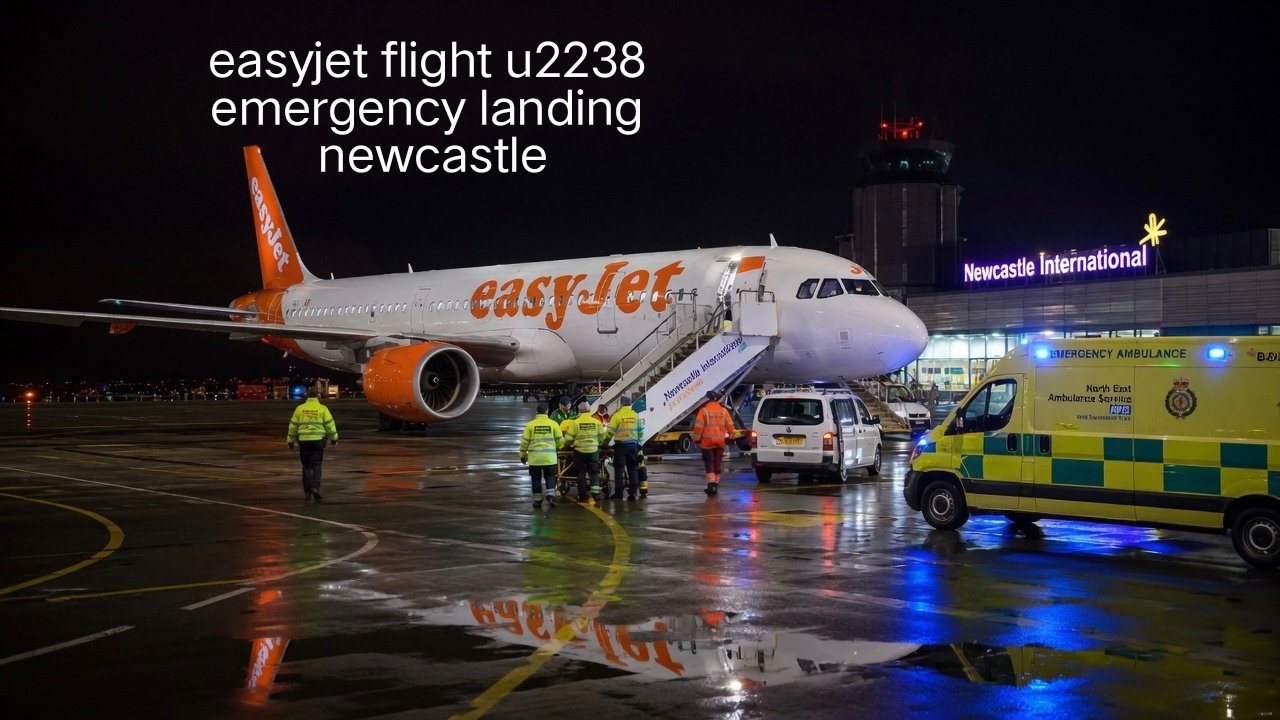
On the evening of October 27, 2025, an easyJet Airbus A320 left Copenhagen bound for Manchester carrying 178 passengers. Around thirty minutes behind schedule, the flight departed at approximately 10:13 PM local time and climbed to its cruising altitude over the North Sea. Shortly after takeoff, cabin crew noticed a passenger becoming seriously unwell and alerted the flight deck immediately. The pilots responded quickly, and what began as a routine journey soon became the widely discussed easyJet flight U2238 emergency landing Newcastle event, later covered across aviation news sites and social media.
Why the Aircraft Diverted to Newcastle Instead of Manchester
Once the crew recognized the seriousness of the medical situation, they decided that continuing toward Manchester would risk delaying urgent care. Newcastle International Airport was the closest suitable landing point capable of offering fast medical support, so the captain made the call to divert. This decision reflects standard aviation protocol, where passenger welfare always takes priority over sticking to the original flight plan. The easyJet flight U2238 emergency landing Newcastle diversion was never about the aircraft failing; it was entirely about getting a person urgent help as fast as safely possible, which is exactly what happened.
READ MORE: Noodlesmagazine: Complete Guide to Noodles, Recipes & Cooking
The Emergency Squawk Code and Air Traffic Control Response
To secure priority handling, the pilots activated squawk code 7700, the internationally recognized signal that tells air traffic controllers an aircraft needs immediate assistance. This code does not specify the exact emergency type, but it instantly alerts every controller along the route to clear the way. Air traffic control coordinated closely with the flight deck, adjusting the approach path so the aircraft could reach Newcastle without unnecessary delay. This kind of rapid coordination is a routine part of how the aviation system protects passengers, and it worked exactly as designed during the easyJet flight U2238 emergency landing Newcastle situation.
How the Crew Handled the Medical Emergency Onboard
Cabin crew are trained extensively for exactly this kind of scenario. During the flight, they provided first aid, used onboard oxygen equipment, and continuously monitored the affected passenger while keeping everyone else calm and informed. Passengers later described the crew as composed, attentive, and reassuring, even as the situation felt tense. Clear announcements helped reduce anxiety in the cabin, showing how much training goes into handling in-flight emergencies smoothly. This response was a key reason the easyJet flight U2238 emergency landing Newcastle incident ended safely and without panic among travelers.
Safe Landing and What Happened After Touchdown at Newcastle
The Airbus A320 touched down safely at Newcastle International Airport shortly before 11:00 PM local time. Emergency medical teams were already waiting on the tarmac, allowing paramedics to board quickly and take over care of the passenger. Once the individual was safely transferred to medical professionals, ground staff worked efficiently to prepare the aircraft to continue its journey. After a short stop, the flight was refuelled and cleared for departure, eventually completing its trip to Manchester later that night with the remaining passengers on board, safe and only slightly delayed.
Passenger Reactions and Airline Response
Many passengers admitted feeling nervous once they realized the flight was diverting unexpectedly, but most said the crew’s calm demeanor made a real difference. EasyJet later released a statement thanking the flight crew for their swift, professional handling of the situation and reaffirming that passenger safety remains its top priority. Newcastle Airport staff and local emergency responders were credited for their fast, organized support. There were no reports of injuries to other passengers or crew, and the aircraft itself suffered no technical issues throughout the entire event.
Was There Any Mechanical Fault With the Aircraft?
No reliable report links this diversion to a mechanical or technical failure. The aircraft remained fully operational before, during, and after the emergency landing, which is confirmed by the fact that it continued its journey to Manchester the same evening. The word “emergency” in these situations often sounds more alarming than the reality; it simply means the crew requested priority handling, not that the plane was in danger. Understanding this distinction helps put the easyJet flight U2238 emergency landing Newcastle incident into proper context for nervous flyers.
What This Incident Teaches About Airline Safety Procedures
Events like this highlight just how well-prepared modern aviation crews are for unexpected situations. From the moment the medical issue was spotted to the safe landing in Newcastle, every step followed established safety protocols built through years of training and simulated drills. It’s a reminder that airlines plan for worst-case scenarios so that when something does go wrong, the response is fast, calm, and effective. Passengers can take real reassurance from how smoothly this situation was managed from start to finish.
Conclusion
The easyJet flight U2238 emergency landing Newcastle incident is a clear example of aviation safety systems working exactly as intended, turning a frightening mid-air medical emergency into a well-managed, safely resolved situation. From the crew’s quick thinking and the pilot’s decisive diversion to Newcastle, to the waiting paramedics and smooth continuation of the flight to Manchester, every part of the response reflected the training and coordination that keeps air travel remarkably safe, offering reassurance to anxious flyers everywhere that emergency procedures genuinely work when it matters most.
Frequently Asked Questions
What caused the easyJet flight U2238 emergency landing Newcastle?
A passenger onboard suffered a sudden medical emergency mid-flight, prompting the crew to divert for urgent professional care.
Was the aircraft itself faulty or damaged?
No. Reports confirm no mechanical or technical fault; the plane remained fully operational throughout the entire incident.
Did the flight continue to Manchester afterward?
Yes, after the passenger received medical attention in Newcastle, the aircraft was refuelled and completed its journey to Manchester.
What does squawk code 7700 mean?
It’s an international transponder signal alerting air traffic control that an aircraft needs immediate priority handling.
Were any other passengers or crew injured?
No injuries were reported among other passengers or crew members during the diversion.