Noodlesmagazine
NoodleMagazine: Ultimate Guide to Noodle Types, Recipes & Tips

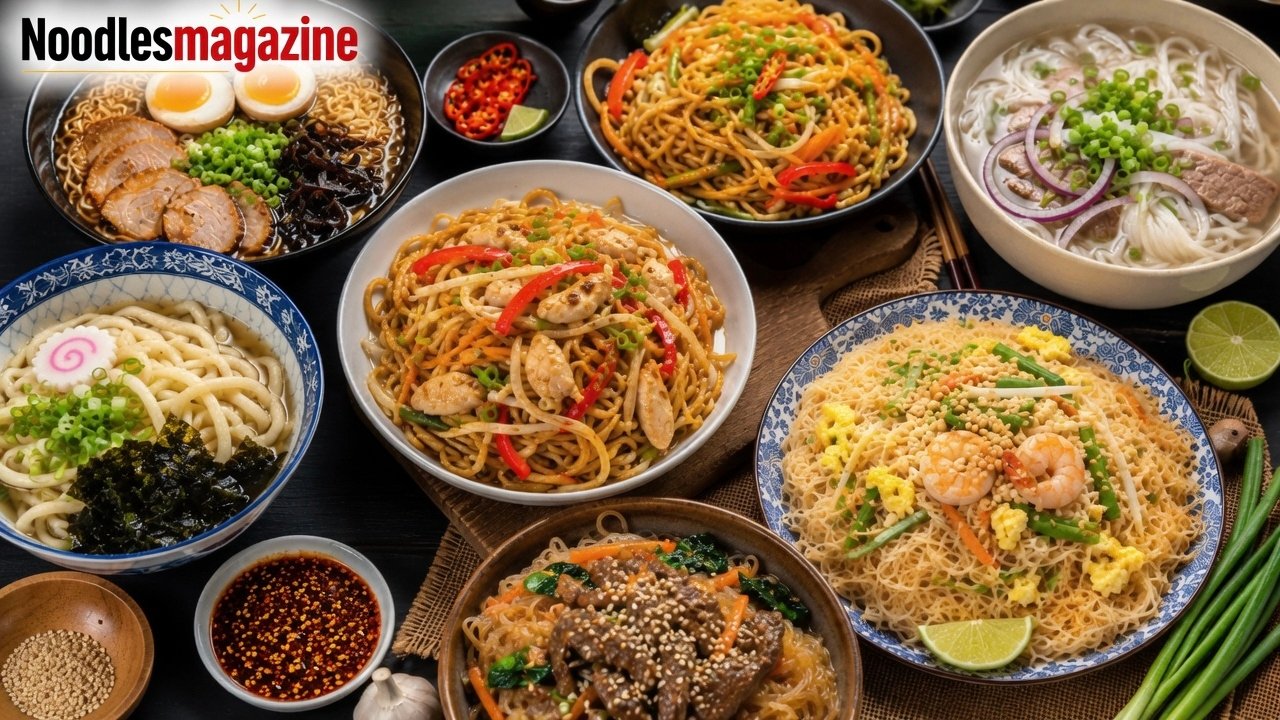
NoodleMagazine are one of those foods that can fit almost any mood. You can enjoy them in a warm bowl of soup on a cold evening, toss them with vegetables for a quick lunch, cover them in a rich sauce for dinner, or serve them chilled with a fresh dressing. They are simple, comforting, and incredibly versatile.
At NoodleMagazine, noodles are more than a quick meal. There is a huge world of noodle varieties, cooking traditions, sauces, broths, toppings, and recipes to discover. From Chinese egg noodles and Japanese ramen to Italian-style pasta noodles and spicy Korean dishes, every type brings something different to the table.
This guide explores the most popular types of noodles, how they are made, the best ways to cook them, and several easy noodle recipes you can prepare at home.
What Are NoodleMagazine?
NoodleMagazine are long or short strips of dough that are usually cooked in boiling water, broth, or sometimes directly in a sauce.Depending on the variety, noodle dough can be made from wheat flour, rice flour, buckwheat, starch, eggs, water, or a combination of these ingredients.
Not every NoodleMagazine has the same taste or texture. Wheat noodles are often chewy and firm, while rice noodles can be lighter and softer. Egg noodles have a richer flavor, and glass noodles become almost transparent after cooking.
Noodles have been part of food cultures around the world for centuries. They are especially important in Chinese, Japanese, Korean, Vietnamese, Thai, and other Asian cuisines. Similar noodle-based dishes are also found throughout Europe and other regions.
READ MORE: Noodlesmagazine: Complete Guide to Noodles, Recipes & Cooking
Understanding the noodle you are using is important because each variety reacts differently to heat, water, sauces, and cooking time.
Popular Types of Noodles You Should Know
Walk through an international supermarket and the noodle section can feel overwhelming. There may be dozens of packages with different shapes, ingredients, and cooking instructions.
Here are some of the most common varieties worth knowing.
1. Ramen Noodles
Ramen is one of the most recognizable Japanese noodle styles. Ramen noodles are typically wheat-based and are known for their springy, chewy texture.
Although instant ramen is popular worldwide, traditional ramen is a much broader dish. Fresh or dried noodles are served in flavorful broth and combined with different toppings.
Common ramen styles include shoyu ramen with soy sauce seasoning, miso ramen, salt-seasoned shio ramen, and richer broths such as tonkotsu.
Popular toppings include boiled eggs, green onions, seaweed, corn, mushrooms, vegetables, and different proteins.
The secret to good ramen is keeping the NoodleMagazine and broth balanced. Overcooked ramen becomes soft quickly, so noodles should normally be cooked shortly before serving.
2. Udon Noodles
Udon noodles are thick Japanese wheat noodles. Their thickness gives them a soft but satisfyingly chewy texture.
They can be served hot or cold. A comforting bowl of udon may contain noodles in a light broth with green onions and vegetables. Stir-fried udon is another excellent option because the thick noodles hold sauce particularly well.
For an easy stir-fried version, cook the udon according to the package directions. Heat a little oil in a pan and add garlic, onions, carrots, cabbage, or other vegetables. Add the noodles followed by soy sauce and a small amount of sesame oil. Toss everything together until hot.
It is a simple meal that can easily be customized
3. Soba Noodles
Soba is another famous Japanese noodle variety. Traditionally, soba contains buckwheat flour, although many commercial versions combine buckwheat and wheat flour.
Soba noodles are thinner than udon and have a distinctive earthy, slightly nutty flavor.
They can be enjoyed in hot broth or served chilled alongside a dipping sauce. Cold soba is particularly refreshing during warm weather.
Soba works well with ingredients such as spring onions, sesame seeds, mushrooms, cucumber, seaweed, tofu, and light soy-based dressings.
Avoid cooking soba for too long. Once cooked, rinsing the noodles under cool water can remove excess starch and help maintain their texture, particularly when making a cold dish.
4. Rice Noodles
Rice noodles are an essential ingredient in many Southeast and East Asian dishes. They are primarily made from rice flour and water and are available in several widths.
Some are extremely thin, while others are wide and flat.
Rice noodles appear in dishes such as Vietnamese pho and Thai-style stir-fries. Their relatively neutral flavor allows them to absorb broth, spices, sauces, and aromatics beautifully.
One important rule is to check the package directions before cooking them. Certain rice noodles only need soaking in hot water rather than vigorous boiling.
Overcooking can make them sticky or cause them to break.
5. Egg Noodles
Egg noodles are generally made with wheat flour and eggs, producing a richer taste and often a yellow appearance.
They are found in numerous cuisines and work particularly well in soups and stir-fries. Their slightly chewy texture also makes them suitable for thicker sauces.
For a simple meal, boil egg noodles until just tender. Stir-fry garlic, sliced onion, cabbage, bell pepper, and carrots in a pan. Add the noodles with soy sauce and your preferred seasoning.
The entire dish can be prepared quickly, making egg noodles useful for busy evenings.
6. Glass NoodleMagazine
Glass NoodleMagazine are fascinating because they become translucent when cooked. They may be produced from mung bean starch, sweet potato starch, or other starches.
They are sometimes called cellophane noodles.
Glass noodles have a mild flavor but absorb seasonings extremely well. This makes them useful in soups, stir-fries, spring rolls, salads, and hot pots.
Because they can be delicate, follow the cooking or soaking instructions on the package rather than treating them like ordinary wheat noodles.
7. Korean Sweet Potato NoodleMagazine
Korean sweet potato starch NoodleMagazine are commonly associated with japchae. They have a glossy appearance and pleasantly chewy texture.
Japchae combines the cooked noodles with vegetables and a savory-sweet sauce usually built around soy sauce, sesame oil, and seasonings.
Carrots, onions, mushrooms, spinach, and bell peppers can all work well.
Instead of drowning these noodles in sauce, use enough seasoning to coat them evenly while allowing their chewy texture to remain noticeable.
8. Chow Mein Noodles
Chow mein is strongly associated with stir-fried noodles.Wheat-based noodles are cooked and then tossed over relatively high heat with vegetables, seasonings, and optional protein.
Cabbage, carrots, spring onions, bean sprouts, bell peppers, and onions are common additions.
A basic sauce can combine soy sauce, a little sesame oil, and a touch of sweetness. Garlic and ginger add additional aroma.
The key is high heat and quick cooking. Leaving noodles in the pan for too long can make vegetables overly soft and noodles heavy.
9. Lo Mein Noodles
Lo mein and chow mein are sometimes confused, but their preparation can differ. Lo mein generally focuses on boiled noodles tossed with vegetables, protein, and plenty of flavorful sauce.
The noodles remain soft and coated rather than being heavily fried.
An easy homemade sauce can include soy sauce, sesame oil, garlic, and a small amount of sugar or another sweetener. Add cooked noodles to sautéed vegetables, pour in the sauce, and toss until everything is evenly coated.
10. Instant Noodles
Instant noodles are popular because they are inexpensive, convenient, and fast.
However, the seasoning packet does not have to define the entire meal.
You can upgrade basic instant noodles with fresh vegetables, boiled eggs, mushrooms, spring onions, spinach, corn, tofu, chicken, or another preferred topping.
You can also use only part of the supplied seasoning and build flavor with garlic, ginger, chili, herbs, or homemade broth.
A few fresh ingredients can turn an ordinary instant noodle packet into a much more satisfying meal.
How to Cook Noodles Properly
Good noodle cooking starts with the package instructions because cooking times vary significantly between varieties.
For noodles that require boiling, use enough water to allow them to move freely. Add noodles once the water reaches the appropriate temperature and stir gently to prevent clumping.
Check them before the maximum cooking time. Ideally, most noodles should remain pleasantly firm rather than becoming mushy.
Whether you should rinse them depends on the dish.
Cold soba and some rice noodle preparations benefit from rinsing because it removes surface starch. Noodles going directly into certain hot sauces may not need rinsing because some surface starch can help the sauce cling.
Always consider the specific recipe rather than applying one rule to every noodle.
Easy Vegetable Noodle Recipe
This is a flexible recipe that works with egg noodles, wheat noodles, ramen-style noodles, or even some rice noodles.
Ingredients
You will need:
- 200 grams noodles
- 1 small onion
- 1 carrot
- 1 bell pepper
- 1 cup shredded cabbage
- 2 garlic cloves
- 2 tablespoons soy sauce
- 1 teaspoon sesame oil
- 1 tablespoon cooking oil
- Spring onions
- Black pepper
- Chili flakes or chili sauce, optional
Cooking Method
Cook the noodles according to their package instructions and drain them.
Heat cooking oil in a large pan or wok. Add chopped garlic and sliced onion. Cook briefly until aromatic.
Add carrots, cabbage, and bell pepper. Stir-fry over medium-high heat until the vegetables soften slightly but still have some crunch.
Add the cooked noodles.
Pour in soy sauce and sesame oil. Add pepper and chili according to your preference.
Toss everything together for around two minutes, making sure the sauce coats the noodles evenly.
Finish with chopped spring onions and serve immediately.
Easy Chicken Noodles Recipe
Chicken noodles make a filling lunch or dinner without requiring complicated ingredients.
Ingredients
Use approximately:
- 200 grams noodles
- 200 grams boneless chicken
- 1 onion
- 1 bell pepper
- 1 carrot
- 2 garlic cloves
- 2 tablespoons soy sauce
- 1 teaspoon sesame oil
- Cooking oil
- Black pepper
- Chili sauce, optional
- Spring onions
Method
Slice the chicken into thin strips. Cook your noodles separately and keep them ready.
Heat oil in a wok or large frying pan. Add the chicken and cook thoroughly. Add garlic and onion, followed by carrots and bell pepper.
Once the vegetables are slightly tender, add your cooked noodles.
Pour soy sauce and sesame oil over everything. Add pepper and chili sauce if desired.
Toss over medium-high heat until the noodles are hot and coated with sauce.
Serve with spring onions on top.
Simple Homemade Noodle Soup
Noodle soup is ideal when you want something warm and comforting.
Start with a good broth. Chicken or vegetable broth works well. Bring it to a gentle simmer and add sliced ginger and garlic.
Next, add vegetables such as carrots, mushrooms, bok choy, cabbage, or spinach.
Cook your chosen noodles according to what the recipe requires. Some noodles can finish cooking directly in the broth, while others are better cooked separately to prevent the soup from becoming too starchy.
Season the broth with a little soy sauce and pepper.
Place noodles in a bowl, pour the hot broth and vegetables over them, and finish with spring onions.
A boiled egg can make the bowl more substantial.
How to Make Spicy Garlic Noodles
Spicy garlic noodles are an excellent choice for anyone who enjoys stronger flavors.
Cook your preferred noodles and set them aside.
Heat a little oil and gently cook finely chopped garlic. Add chili flakes or chili sauce according to your preferred heat level.
Mix in soy sauce and a small amount of sesame oil. Add the noodles and toss until coated.
Finish with spring onions and sesame seeds if available.
The entire dish can take only a few minutes once your ingredients are prepared.
Best Vegetables to Add to Noodles
One reason noodle dishes are so versatile is that many vegetables work with them.
Carrots provide sweetness and crunch. Cabbage is inexpensive and excellent for stir-fries. Bell peppers add color and texture, while mushrooms bring deeper savory flavors.
Other useful choices include broccoli, spinach, bok choy, peas, corn, bean sprouts, zucchini, green beans, and spring onions.
Try not to cook every vegetable for the same amount of time. Harder vegetables generally need to enter the pan earlier, while delicate leafy greens should be added near the end.
How to Make Noodles Taste Better
A delicious noodle dish is often about balancing flavors rather than adding dozens of ingredients.
Saltiness may come from soy sauce or broth. Acidity can come from lime juice or vinegar. Chili adds heat, while a small amount of sweetness can balance spicy and salty flavors.
Garlic, ginger, spring onions, sesame oil, fresh herbs, mushrooms, and toasted sesame seeds can provide additional layers of flavor.
Texture matters too.
Try combining soft noodles with crisp vegetables or adding crunchy toppings immediately before serving.
Common Noodle Cooking Mistakes
Overcooking is probably the easiest way to ruin noodles. Soft, broken noodles can quickly make an otherwise good dish disappointing.
Another common mistake is adding too much sauce. Noodles should usually be coated rather than swimming in seasoning.
Crowding a small frying pan can also cause problems. When too many ingredients are added at once, vegetables may steam instead of stir-fry.
Finally, remember that different noodles require different preparation methods. Ramen, soba, rice noodles, udon, and glass noodles should not automatically be cooked in exactly the same way.
Read the package and adjust your method accordingly.
How to Store Cooked Noodles
Cooked noodles are generally best when eaten fresh, but leftovers can be refrigerated promptly in a covered container.
If you expect to store plain noodles, a very small amount of oil can sometimes help prevent sticking, depending on the noodle and intended recipe.
When reheating, avoid cooking them for too long. A quick toss in a hot pan with vegetables or sauce can often restore them better than prolonged heating.
For noodle soup, storing noodles separately from broth can help prevent them from absorbing too much liquid and becoming overly soft.
Choosing the Right Noodles for Your Recipe
Think about the final dish before selecting your noodles.
For a hearty Japanese-style soup, ramen or udon can be excellent. For a refreshing cold dish, soba works beautifully. Rice noodles are useful for many Southeast Asian soups and stir-fries, while glass noodles are great when you want a light noodle that absorbs surrounding flavors.
For fast vegetable or chicken stir-fries, wheat or egg noodles are reliable choices.
There is no single “best” noodle. The right choice depends on texture, sauce, cooking method, and the flavors you want.
Final Thoughts
NoodleMagazine may look simple, but they offer an enormous variety of meals. Ramen can become a deeply comforting soup, udon can carry a rich stir-fry sauce, soba can create a refreshing cold meal, and rice noodles can absorb aromatic broths and bold seasonings.
The best way to become better at cooking noodles is to experiment. Start with straightforward ingredients, learn how different noodles behave, and gradually explore new sauces, vegetables, broths, spices, and toppings.
That is what NoodleMagazine is all about: discovering noodles one bowl at a time. Whether you want a five-minute lunch, spicy stir-fried noodles, homemade noodle soup, or a completely new noodle variety, there is always another recipe waiting to be tried.
FAQs
1. What are the most popular types of NoodleMagazine?
Some of the most popular types include ramen, udon, soba, rice NoodleMagazine, egg noodles, glass noodles, chow mein, lo mein, and Korean sweet potato noodles. Each variety has a different texture, flavor, and ideal cooking method.
2. How do you cook noodles without making them sticky?
Use enough water, avoid overcooking, and follow the cooking instructions on the package. Depending on the noodle type and recipe, rinsing cooked noodles can remove excess starch and reduce sticking. For some dishes, a small amount of oil can also help.
3. What vegetables are best for noodle recipes?
Carrots, cabbage, bell peppers, mushrooms, broccoli, spinach, bok choy, bean sprouts, corn, peas, and spring onions are excellent choices. You can combine different vegetables depending on the type of noodles and sauce you are using.
4. How can I make simple noodles taste better?
Garlic, ginger, soy sauce, sesame oil, chili, spring onions, mushrooms, lime juice, vinegar, and fresh herbs can quickly improve the flavor of simple noodles. Adding vegetables, eggs, tofu, chicken, or another protein can also make the meal more satisfying.
5. Which noodles are best for noodle soup?
Ramen, udon, rice noodles, egg noodles, and soba can all work well in noodle soups. The best choice depends on the broth and desired texture. Ramen works particularly well with rich broths, while rice noodles are excellent with lighter, aromatic soups.